
How to Make a Cozy Bed That Feels Like a Hotel
You know the feeling. The room looks calm, the lamp is low, and the bed seems inviting from across the room, but the second you slide in, something is off. The sheets pull loose at the corners, the comforter feels heavy instead of comforting, and halfway through the night you're either kicking layers off or hunting for more.
That's usually the difference between a bed that's styled for a photo and one that's built for sleep. A cozy bed isn't just fluffy. It's fitted properly, soft where your body meets it first, and layered in a way that holds warmth without trapping heat.
Why a Cozy Bed Feels So Much Better Than It Looks
The beds people save to mood boards often have the same problem. They look full and plush, but they don't always account for what your body notices at 2 a.m. If the mattress lacks support, the pillow height is wrong, or the sheet fabric feels slick, no amount of decorative layering fixes it.
That tracks with what people say matters most in bed. In the National Sleep Foundation Bedroom Poll, 92% of respondents said a comfortable mattress is important for getting a good night's sleep, 91% said comfortable pillows matter, and 85% said the comfortable feel of sheets and bedding matters, according to the Bedroom Poll report. In practice, that means the cozy feeling starts with what touches your body first, not the throw blanket at the foot.

What cozy actually feels like
A cozy bed has three qualities working together:
- Soft contact points that feel good on bare skin, especially your sheets and pillowcases
- Steady support from the mattress and pillows, so your body settles instead of constantly readjusting
- Balanced warmth that feels insulating, not swampy
When one of those is missing, the whole bed feels less restful. I've seen beautifully styled beds undone by one small problem, usually a sheet that rides up, a pillow stack that looks generous but sleeps badly, or an overly warm top layer that makes the bed feel airless.
Cozy should feel easy. If you have to peel off half the bed to get comfortable, the setup is working against you.
The bed should invite you to get in, not admire it
Hotel-level comfort comes from restraint. The goal isn't to add more and more. The goal is to build the right base, then add layers with purpose so the bed feels deep, smooth, and breathable.
That's the standard to use when you're deciding how to make a cozy bed at home. Start with fit. Add softness. Control temperature. Then finish the look.
Start With the Right Foundation for Modern Mattresses
The part that's often skipped is the part that makes the biggest difference. Before you think about quilts, throws, or decorative pillows, get the base right. If the fitted sheet is straining at the corners or bunching under your legs, the bed will never feel polished.
Standard sizing helps, but only if you match it correctly. Modern U.S. mattress sizes are consistent, which is why fitted bedding can align well with your bed today. A standard queen is 60 × 80 inches, a king is 76 × 80 inches, a twin is 38 × 75 inches, and a full is 54 × 75 inches, as outlined in this guide to standard U.S. bed dimensions and sizing history. That standardization is what makes layered bedding practical now, especially on taller mattresses.
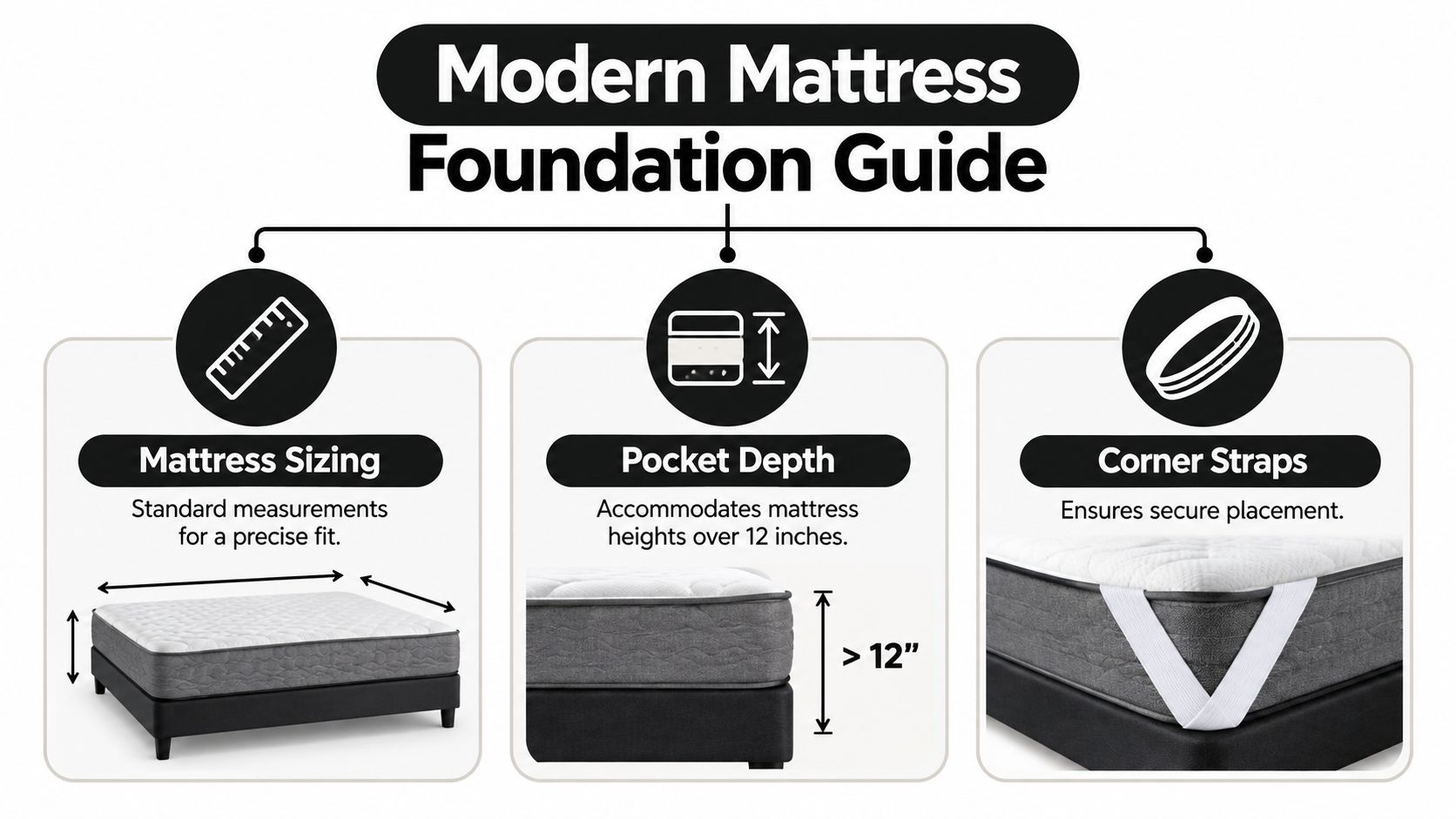
Fit first, always
A cozy bed starts with a fitted sheet that stays put and lies smooth.
Here's what to check before you buy:
- Mattress dimensions matter more than the label on the bed frame. Measure the mattress itself, not just “queen” or “king.”
- Depth matters just as much as width and length if you have a pillow-top, topper, or adjustable base.
- Elastic strength and corner construction often decide whether a sheet feels properly fitted or constantly messy.
If you're not sure how tall your mattress is, use this practical guide on how to measure mattress depth. It helps you choose pocket depth before you end up wrestling corners every wash day.
Choose layers that help, not trap
A mattress protector can be useful, but avoid one that feels plasticky or seals in heat. The same goes for thick foam toppers. They can add softness, but they can also make the bed warmer and dull the clean, buoyant feel people usually want from a cozy setup.
Good foundation choices usually look like this:
- A breathable protector that shields the mattress without changing the feel too much
- A fitted sheet with enough pocket depth to anchor securely around the full mattress height
- Pillow protectors and pillowcases that feel soft rather than crisp to the point of stiffness
Practical rule: If you can feel tension at the fitted sheet corners while making the bed, size or pocket depth is wrong.
This is also where oversized bedding earns its keep. For deep mattresses, adjustable beds, or thicker toppers, products designed with extra coverage can create a smoother drape and fewer exposed edges. SouthShore Fine Linens, for example, offers extra-deep-pocket sheet sets and oversized bedding specifically for modern mattress profiles.
How to Layer Bedding for Breathable Warmth and Texture
The people who want a cozier bed make one mistake. They keep adding blankets. That often creates weight, clutter, and overheating instead of comfort.
The better approach is to layer for airflow first, insulation second, and texture throughout. Sleep specialists commonly recommend keeping the bedroom around 60 to 67°F (15 to 19°C), with one sleep neurologist noting that 65 to 67°F tends to support sleep continuity, efficiency, and depth, according to Cleveland Clinic's guidance on ideal sleeping temperature. In other words, the room should stay cool, and the bed should do the quiet work of keeping you comfortably insulated.
For a quick visual of the order, use this layer map:
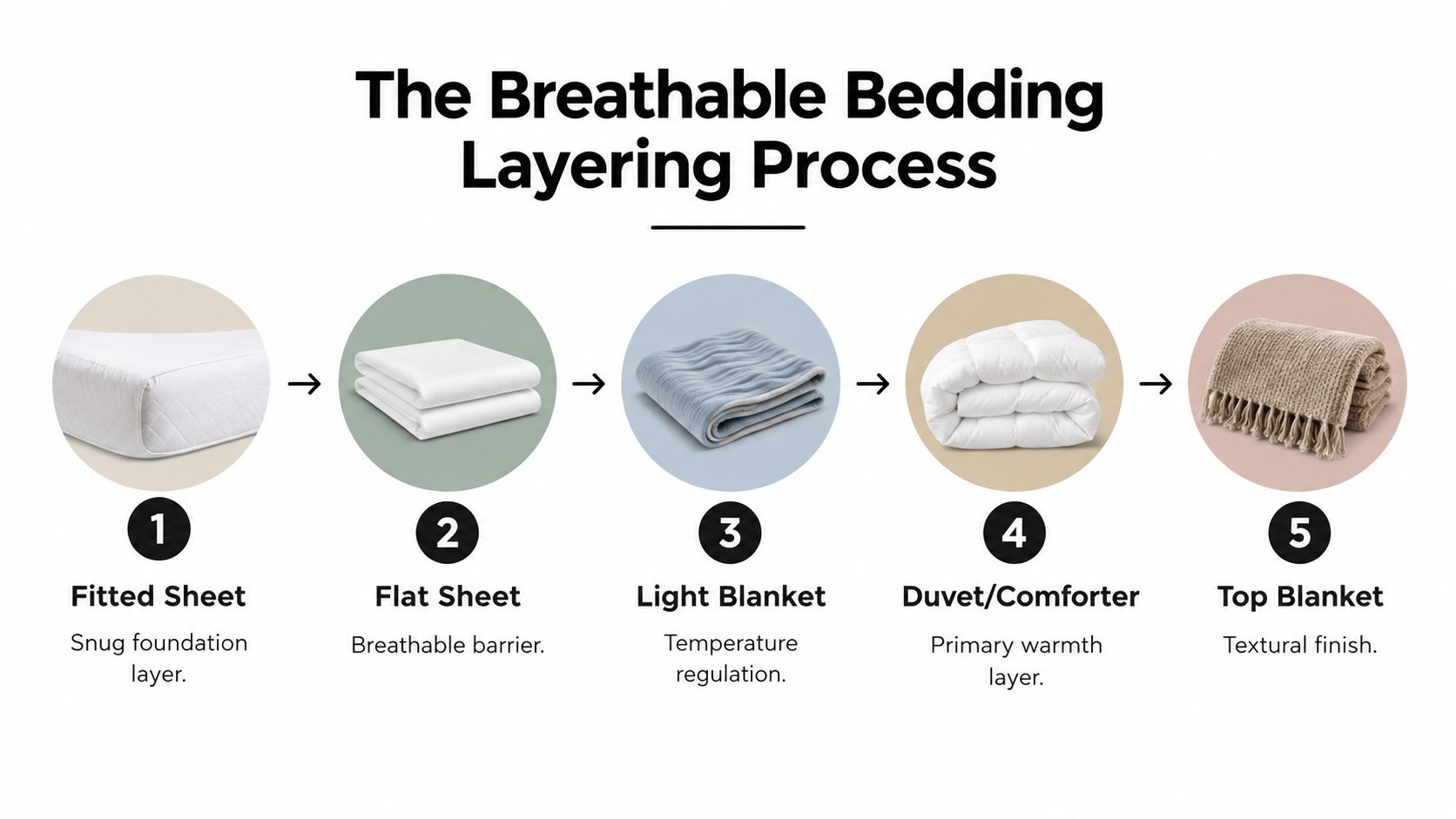
The stack that works night after night
Independent styling guidance tends to land on the same formula: a fitted sheet plus top sheet, then a middle insulating layer like a quilt or duvet, then a throw at the foot, with pillow quantity kept controlled rather than excessive. You can see that approach clearly in this guide on how to layer bedding like a pro.
Here's the order I use most often when someone asks how to make a cozy bed that still sleeps well:
-
Fitted sheet
This is your anchor. It should be smooth, tight, and quiet under the body. -
Flat sheet
This creates a breathable buffer between you and the heavier top layers. It also makes the bed easier to regulate through the night. -
Quilt, coverlet, or light blanket
Much of the comfort lives here. A quilt adds soft structure and gives the bed that settled look. -
Duvet or comforter
Use this as the main warmth layer when the season calls for it. If you run warm, keep it loftier and less dense rather than heavier. -
Throw at the foot
Add this for extra reach and visible texture, not because the bed needs another full layer over your torso all night.
Texture beats quantity
A bed looks richer when the textures change, even if the number of layers stays modest. Think quilted cotton, washed linen, or a softly brushed throw. One tactile accent often does more than two extra blankets.
If you need ideas for different top layers, this guide to types of blankets for different needs and climates is useful for sorting out what belongs on the bed versus what just adds bulk.
Here's a good test: fold your duvet or comforter back far enough that the quilt or top sheet shows, then place the throw at the foot in a loose fold rather than wrapping it tight. The bed will look fuller and feel easier to get into.
This short video shows the layered look in motion:
Seasonal swaps matter more than extra blankets
A cozy bed should change with the weather. In warmer months, many people sleep better with sheets, a light quilt, and a folded blanket nearby rather than a dense comforter. In cooler months, the same bed can take a fuller comforter while keeping the lower layers breathable.
Homes and Gardens noted a projected 2026 trend toward cocooning, warm neutrals, and tactile fabrics, and cited a sleep-trends dataset showing temperature-regulating bedding at 1,000 monthly searches with +285% year over year as of July 2026, in its piece on bedding trends for 2026. That interest makes sense. People want softness and warmth, but they don't want to wake up overheated.
If a bed feels hot, the answer usually isn't another blanket. It's better airflow, a lighter middle layer, or a different fabric.
One side note for practical households. If you're storing bedding between seasons or protecting folded textiles during a move, sturdy padded wraps like quilted moving blankets uk can help prevent snags and compressed corners better than thin plastic alone.
Choosing Colors and Textures That Make the Bed Inviting
A cozy bed should feel cocooning before you even touch it. Color and texture do that work fast. If the whole bed is one flat finish, it can look cold even when the materials are soft. If every piece is plush and heavy, it can feel visually stuffy before you lie down.
The easiest palette to live with is simple: one grounding neutral, one softer contrast, and one texture accent. That might be oatmeal with ivory and a quilted clay-toned throw, or soft white with sand and a brushed accent pillow. Warm neutrals usually make the bed feel calmer than stark contrasts.
Texture should create depth, not drag
The best combinations mix matte and touchable surfaces. Linen has a relaxed, airy look. Quilted cotton gives shape and softness. Bouclé and brushed fabrics add visual warmth, but they're strongest in small doses.
Here's a practical comparison:
| Material | Feel and Look | Best For |
|---|---|---|
| Cotton quilt | Soft, structured, lightly textured | Most sleepers who want breathable layering |
| Linen | Relaxed, matte, slightly rumpled | Warm sleepers and casual, unfussy styling |
| Bouclé accent | Nubby, dimensional, cozy-looking | Decorative pillows or a bench throw |
| Brushed faux-fur | Plush, lush, more insulating feel | Cooler rooms and small accent use |
| Lightweight coverlet | Smooth, neat, less bulky | Minimal beds that still need a finished top layer |
Match the material to the way you sleep
If you run warm, keep the biggest surfaces breathable and use richer textures in smaller accents. That usually means smooth sheets, a quilted middle layer, and only one plush finishing piece. If you sleep cold, add visual softness with a fuller comforter or thicker quilt, but still avoid covering the entire bed in dense, furry textures.
A good bed rarely uses every cozy material at once. It chooses one hero texture and lets the others support it.
The most inviting beds have contrast you can feel with your hand, not clutter you only notice from the doorway.
Pillow Arrangement and Finishing Touches That Complete the Look
Pillows give the bed its shape. They can also turn a comfortable setup into a daily nuisance if you overdo them.
The arrangement that works most consistently is the one people keep up with. Design guidance often lands at roughly 2 sleeping pillows, 2 Euro shams or similar accent pillows, and 1 lumbar or throw accent, which creates depth without making the bed look fussy or crowded, as shown in this layered bedding styling guide.
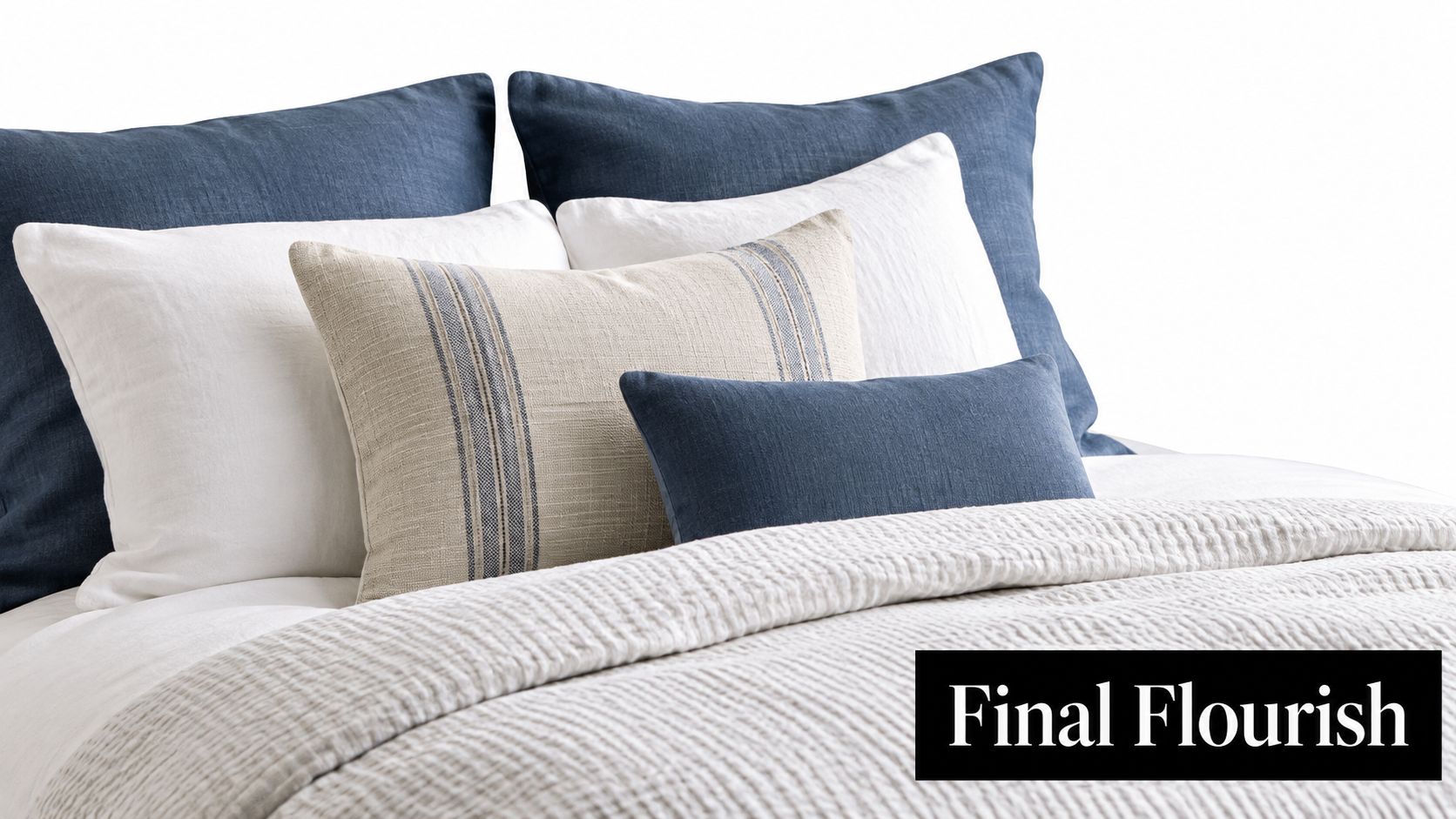
The arrangement that feels polished
On a queen bed, two sleeping pillows in back, two Euros in front, and one lumbar works well. On a king, you can widen the arrangement slightly, but the logic stays the same: sleeping support in back, visual shape in the middle, one accent in front.
A clean setup usually looks like this:
- Sleeping pillows first so the bed still reads as a bed, not a showroom display
- Euro shams next to add height and soften the headboard line
- One smaller accent to finish the center without adding clutter
What actually works in daily life
If you want that plush hotel look, fluff the pillows upward rather than smashing them flat. A gentle center pinch can work on some decorative pillows, but over-styling quickly starts to look stiff.
The same goes for the throw. Fold it once or drape it loosely at the foot. Don't spread it over the whole bed unless it's functioning as an actual sleep layer. That move often hides the nicer textures underneath and makes the whole setup feel heavier than it needs to.
A bed should take very little effort to remake in the morning. If arranging the pillows feels like staging merchandise, remove one layer.
Keep Your Cozy Bed Fresh Through Every Season
The best cozy bed isn't built once. It's maintained through small habits that keep it soft, airy, and appealing every day.
Start with simple resets. Pull the sheets smooth each morning, shake out the top layer, and let the bed breathe before fully making it if you can. That keeps the bedding from feeling compacted and stale.
Rotate by season, not by impulse
Many people try to force one bedding setup through the entire year. That's when the bed starts feeling wrong. Summer usually calls for lighter, breathable layers and fewer dense accents. Winter can handle more loft and a richer top layer, but the bed should still move air.
If you use targeted warmth for sore muscles or cold nights, keep it selective rather than overheating the whole bed. Resources on bed warmer pads for pain relief can be useful if you're trying to warm the body more precisely instead of piling on heavier covers.
A short care checklist that pays off
- Wash on a consistent cycle so oils and dust don't flatten the feel of the fabric
- Store off-season bedding clean and fully dry to protect loft and texture
- Swap out worn pillow inserts once they stop rebounding well
- Reassess your top layer if you keep waking too warm or too chilly
A well-made bed should feel better after months of use because you've refined it to fit your room, your mattress, and the way you sleep. That's the answer to how to make a cozy bed. Less excess, better choices, and layers that earn their place.
SouthShore Fine Linens offers the pieces that make this kind of bed possible, including oversized quilts, comforters, and extra-deep-pocket sheet sets designed for modern mattresses and everyday use. If you're ready to build a bed that looks refined and feels comfortable all night, visit SouthShore Fine Linens.


